Winter and early spring risks
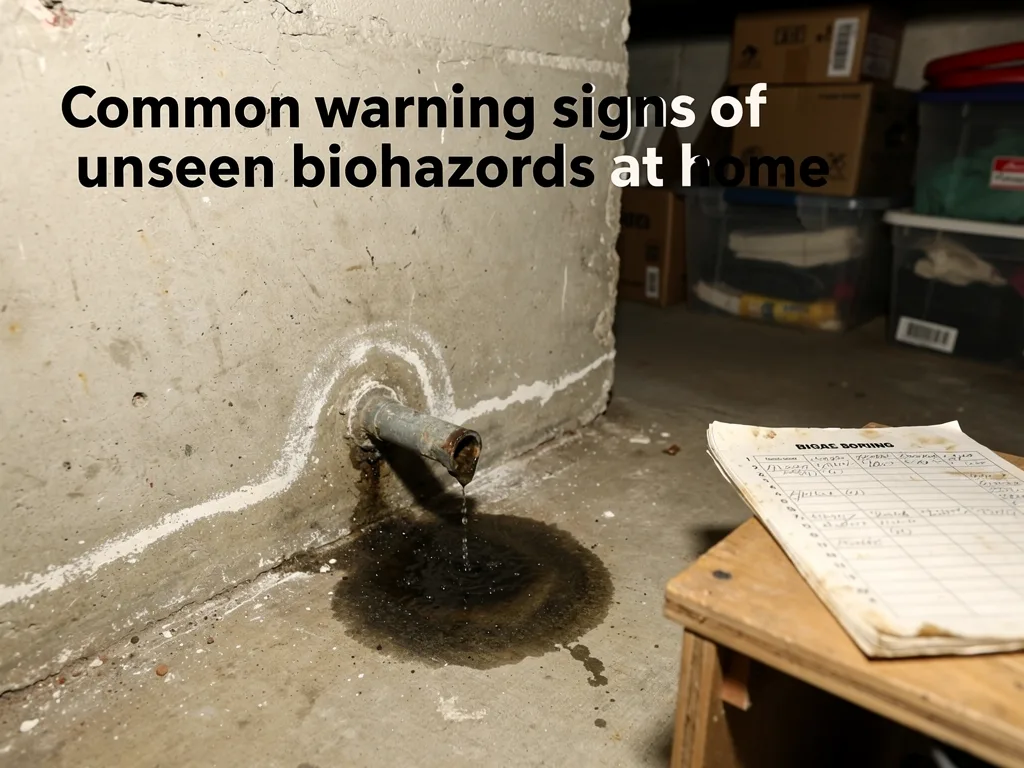
Cold months bring damp basements and humidity changes that can encourage mold and bacterial growth. In New Jersey, homes with poor insulation or plumbing leaks are especially at risk. Use a humidistat to keep indoor humidity between 30 and 50 percent. If you notice musty odors or damp surfaces, address moisture quickly with ventilation and drying methods, then call in a biohazard remediation technician for a thorough check.
Before spring, inspect bathrooms and laundry areas where moisture accumulates. Leaks behind walls can hide contamination that isn’t obvious to the eye. A statewide crew can perform a full assessment across multiple rooms with careful sampling and containment as needed.
Summer heat and air quality
Hot, humid conditions in New Jersey can accelerate mold growth and microbial activity. Regular filter changes for HVAC systems, prompt replacement of damp materials, and keeping areas dry reduce risk. If you smell strong odors or see discoloration around vents or in closets, schedule a professional inspection. We’ll check for hidden contamination that might spread through airflow in a statewide network of biohazard remediation technicians.
Avoid leaving wet items sitting in basements or garages. Dry them promptly and monitor for any musty scent that returns after cleaning. A proactive approach helps avoid bigger issues when the weather shifts.
Fall maintenance and year-end checks
As temperatures drop again, inspect plumbing for leaks, especially in kitchens and bathrooms. Small drips can lead to mold and bacterial growth behind walls if not found. Schedule a professional assessment if you notice signs of moisture or persistent odors. Biohazard Cleanup New Jersey Co can mobilize crews across New Jersey to inspect and address the root causes, not just the symptoms.
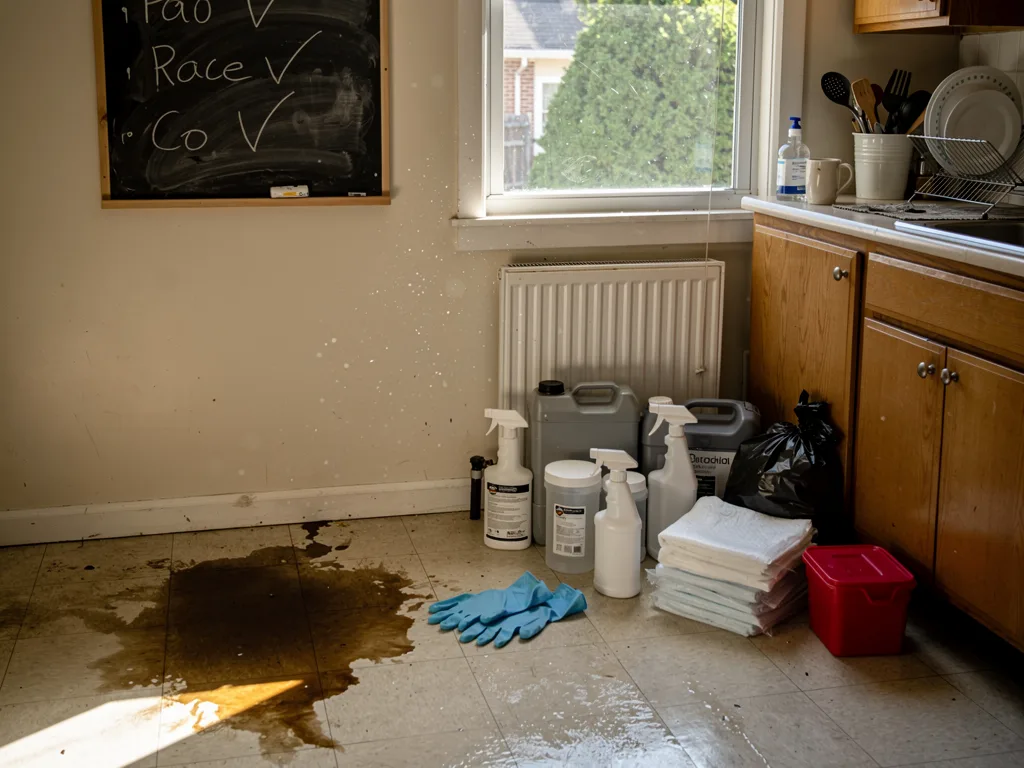
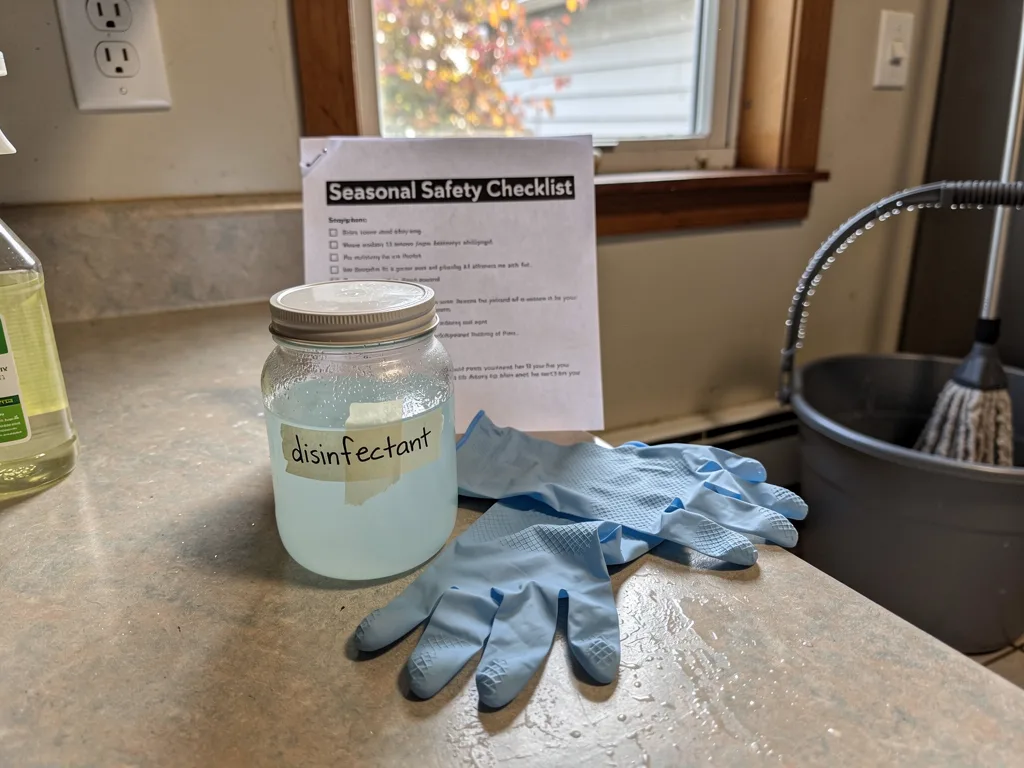
Keep records of any cleanup or remediation work. Documentation helps you track changes and stay on top of safety as seasons change across New Jersey.